
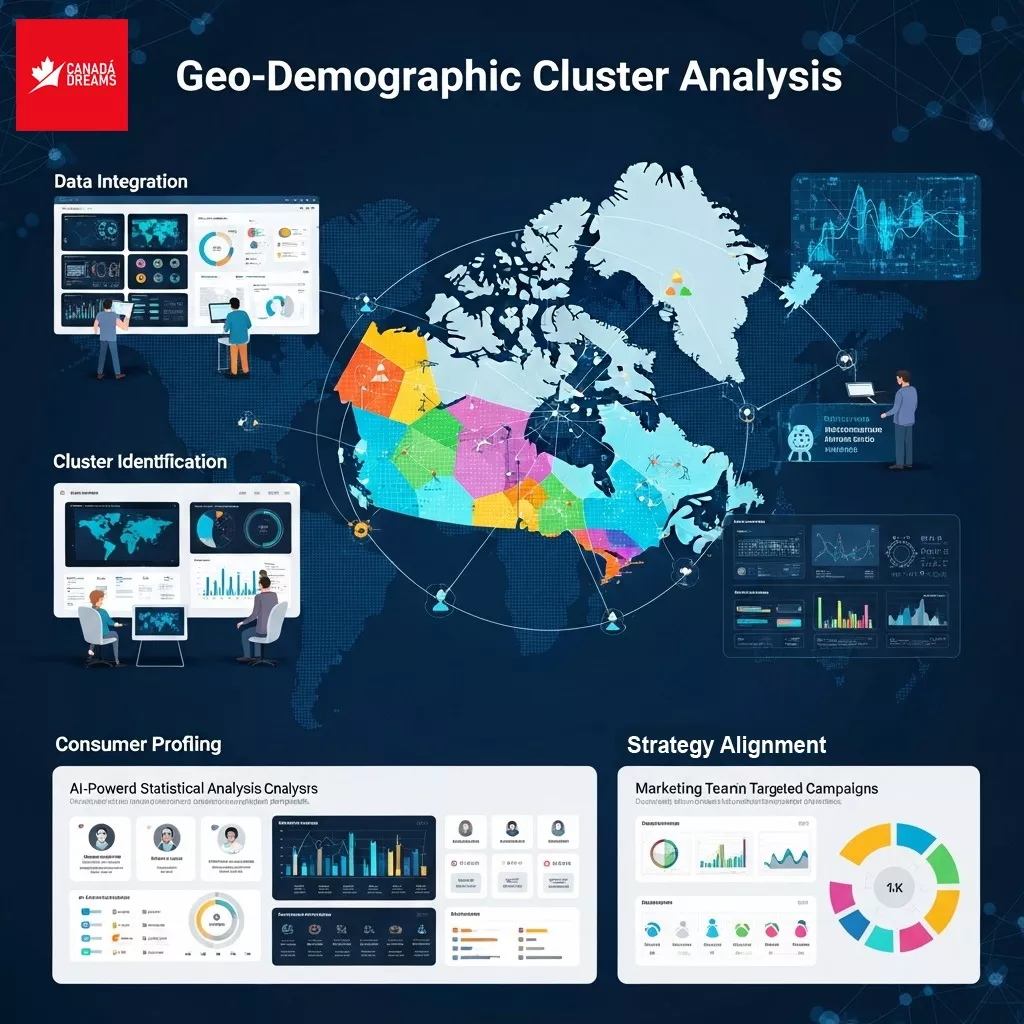

This methodology turns a confusing transition into a structured operating system built on law, economics, culture, and execution.
Why this methodology exists
Most professionals fail not because they lack excellence, but because they lack a system that translates excellence into local traction. This page explains how The Global Architect bridges that gap through five interconnected tool-kits.
THREE CORE PILLARS
The strategic foundation
Regulatory Engine
Use the law as a growth foundation rather than a barrier. Understand compliance, labeling, licensing, and institutional rules before execution begins.

Margin Engineering
Reverse-model economics from shelf price to production cost, giving every move a profit logic before capital is committed.

Strategic Humility
Adapt your global identity to the local relational code of Canada without shrinking your ambition or losing your essence.
THE FIVE TOOL-KITS
How the full methodology works
Market Intelligence
Start with reality, not assumptions. This tool-kit maps the Canadian market, its corridors, consumer segments, and relevant institutional forces. It answers: Where is the opportunity? Who matters? What signals define demand?
This is not generic promotion. It is precision positioning for a micro-globalized market, where language, community, trust, and platform behavior all matter.It answers: How do we speak so the right audience feels seen, respected, and ready to act?
Execution requires operational reality. This tool-kit models freight, 3PL overhead, hub strategy, corridor reach, and landed cost.It answers: Can the product, service, or offer actually move through Canada profitably and at scale?
Canadian market entry is controlled by law, standards, and institutional procedure. This tool-kit audits compliance before launch. It answers: What approvals, rules, and bilingual obligations must be solved before the first move?
AI becomes a digital COO when used with discipline. This tool-kit turns expert logic into reusable prompts and strategic operating commands.It answers: How do we automate clarity, analysis, and execution without losing human judgment?